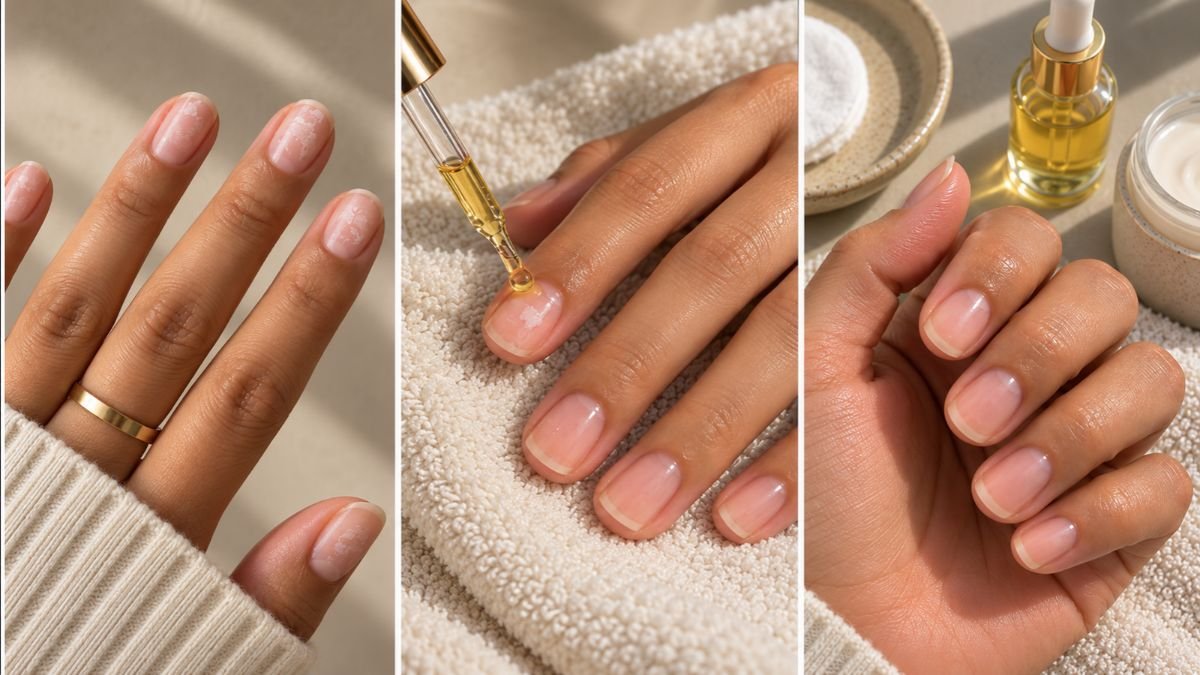
You finally get your press-ons off, only to find patches of stubborn glue still stuck to your natural nails. Some spots look like a thin, cloudy film, while others feel like little raised bumps that just won’t budge.
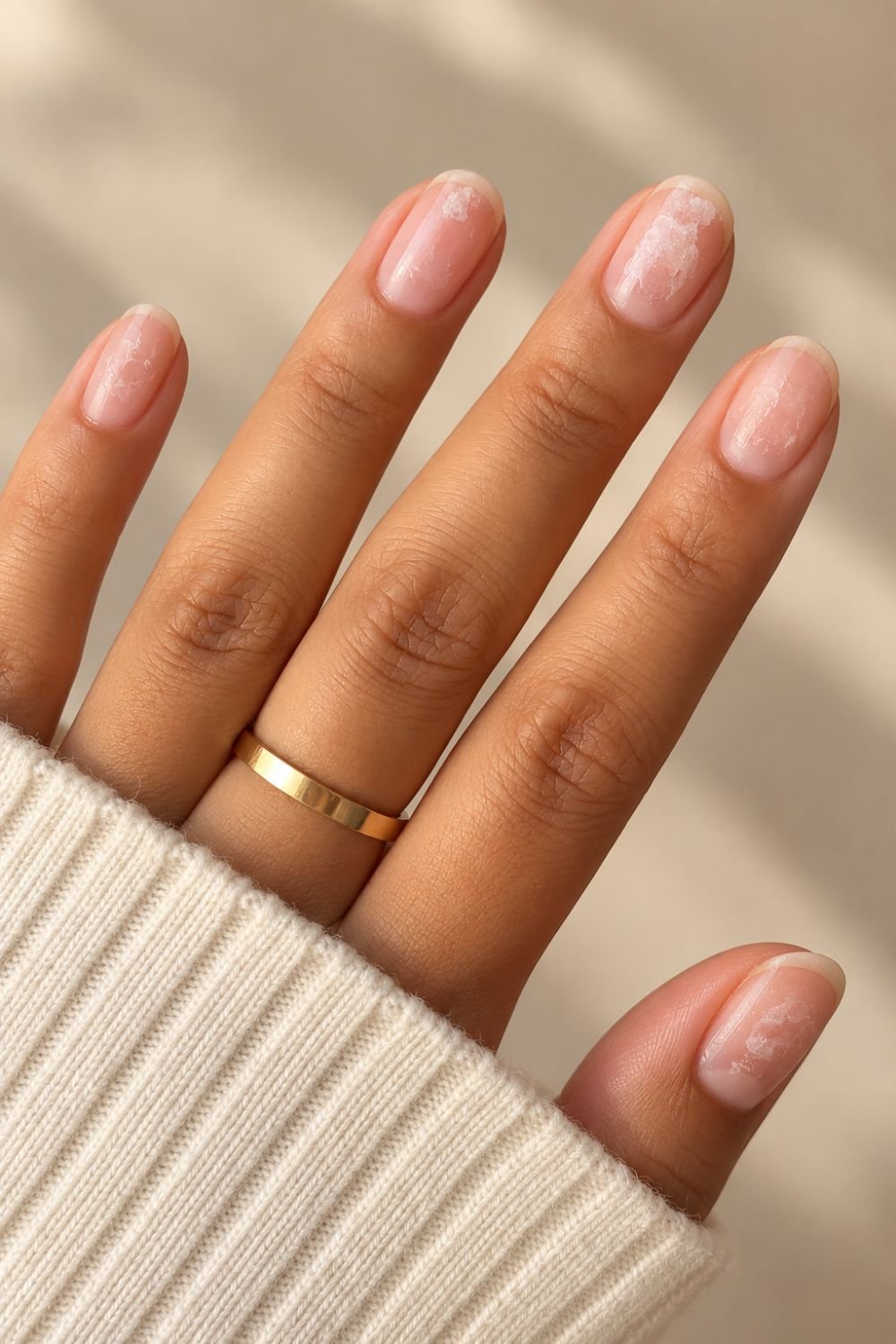
I know how tempting it is to pick at them, especially when there’s only a little glue left. But peeling off hardened nail glue can take layers of your natural nail with it, leaving your nails thin, rough, and more prone to splitting.
The good news is that you don’t need to scrape your nails to get rid of the residue. Here’s how to remove nail glue safely, whether you’re dealing with a few leftover spots or a thicker layer of dried adhesive.
1. Acetone Wraps: Best for Stubborn Nail Glue
If you’re dealing with fully dried nail glue stuck to your natural nails, 100% pure acetone is usually your most effective option. It helps break down the adhesive so you can remove it without filing away at your nail plate.
For smaller patches, try holding an acetone-soaked pad against the glue for a few minutes before gently wiping.
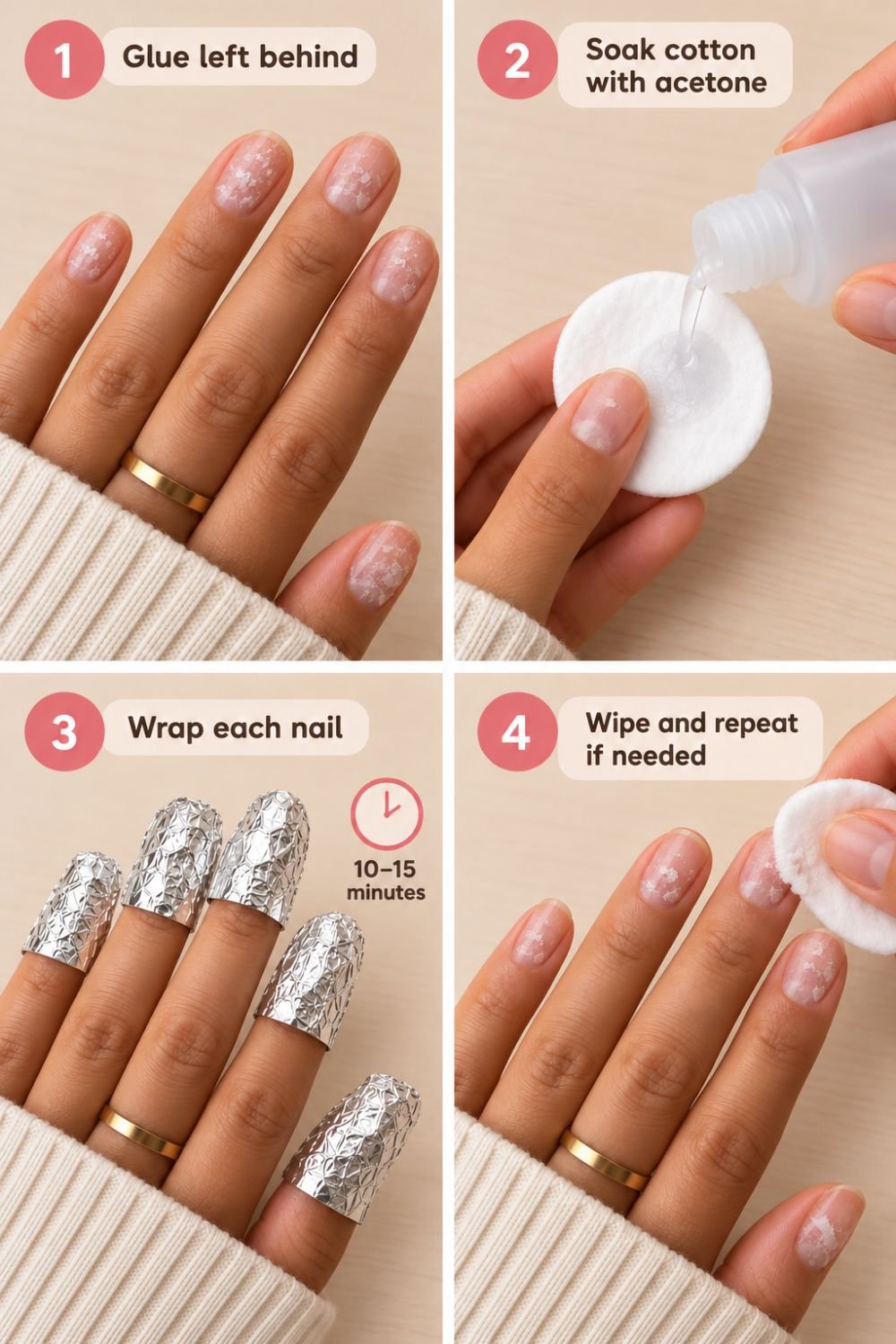
For thicker or more stubborn glue, here’s what I’d recommend:
- Protect your skin. Apply a little petroleum jelly around your nails and cuticles to help reduce dryness.
- Apply acetone. Saturate small pieces of cotton pad with 100% acetone and place them directly over the fully dried glue.
- Wrap your fingertips. Secure the cotton with aluminum foil to keep it in place and slow evaporation.
- Wait 10–15 minutes. Remove one wrap and check whether the glue has softened.
- Gently wipe away the residue. Use the pad or a soft, damp washcloth to remove what comes off easily. Repeat if any stubborn glue remains.
You can also soak your fingertips in a small, acetone-safe glass bowl, but I prefer wraps because they keep the acetone concentrated on the nails rather than soaking the surrounding skin.
Acetone can be drying, so use it in a well-ventilated area, away from heat or flames, and moisturize afterward.
2. Warm Soapy Water: A Gentler Starting Point
If you’re dealing with a thin layer of glue residue or a few spots that are already beginning to lift, warm soapy water is worth trying before reaching for acetone.
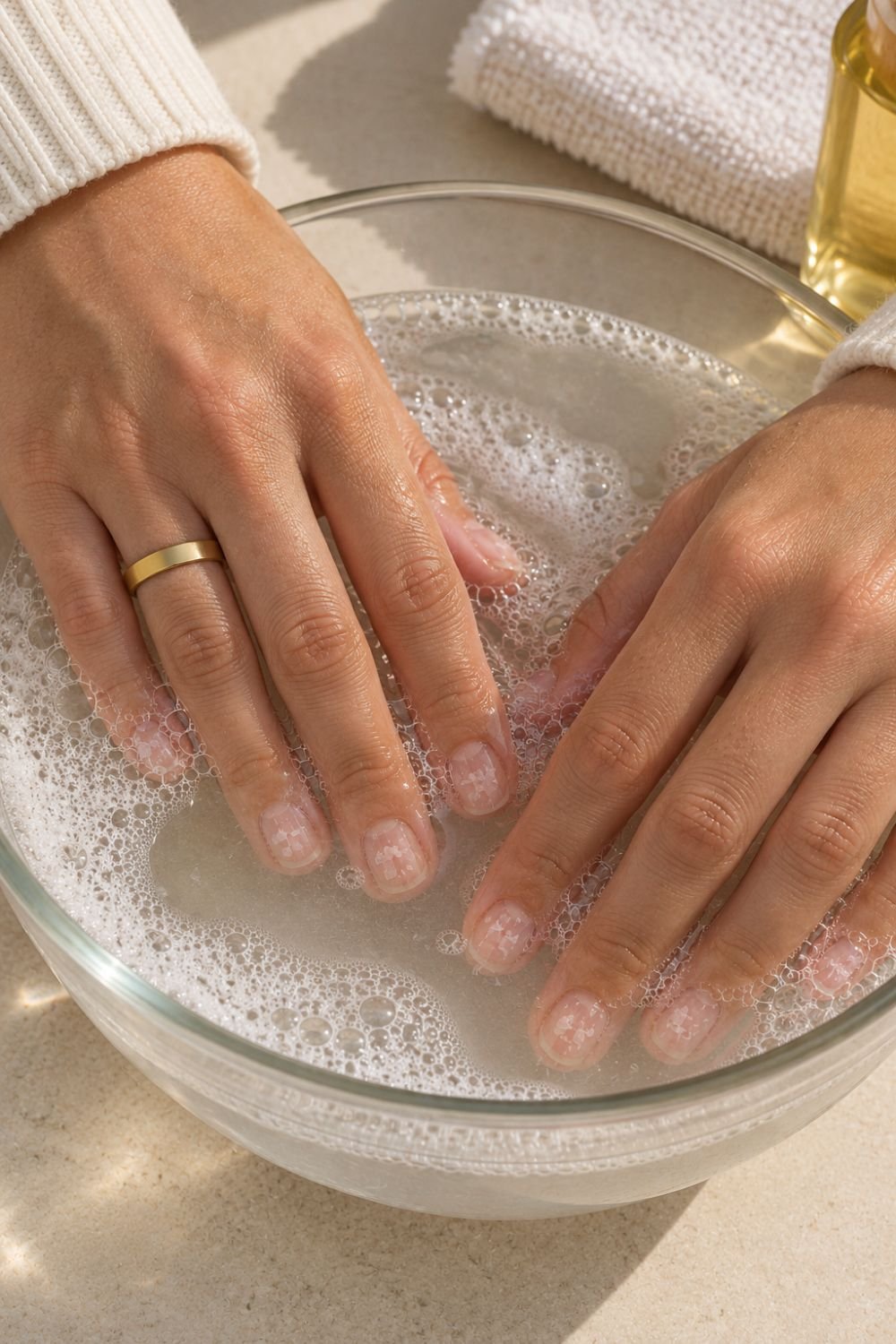
Fill a bowl with comfortably warm water, add a few drops of mild hand soap, and soak your fingertips for 15–20 minutes.
After soaking, gently massage your nails with a soft washcloth to see whether any residue comes away.
You can also try carefully nudging an already-loosened piece of glue with a wooden cuticle stick, but don’t press against the nail plate or force anything that hasn’t softened.
One thing to remember: warm water doesn’t reliably dissolve fully cured nail glue. It may help loosen weaker adhesive bonds, but thick, hardened patches usually need acetone.
If the glue isn’t moving, I’d switch methods rather than keep rubbing.
3. Cuticle Oil or Olive Oil: Best for Small, Loosened Patches
Cuticle oil and olive oil are popular alternatives for removing nail glue without acetone, especially if your nails already feel dry or sensitive.
The easiest approach is to combine oil with the warm water soak.
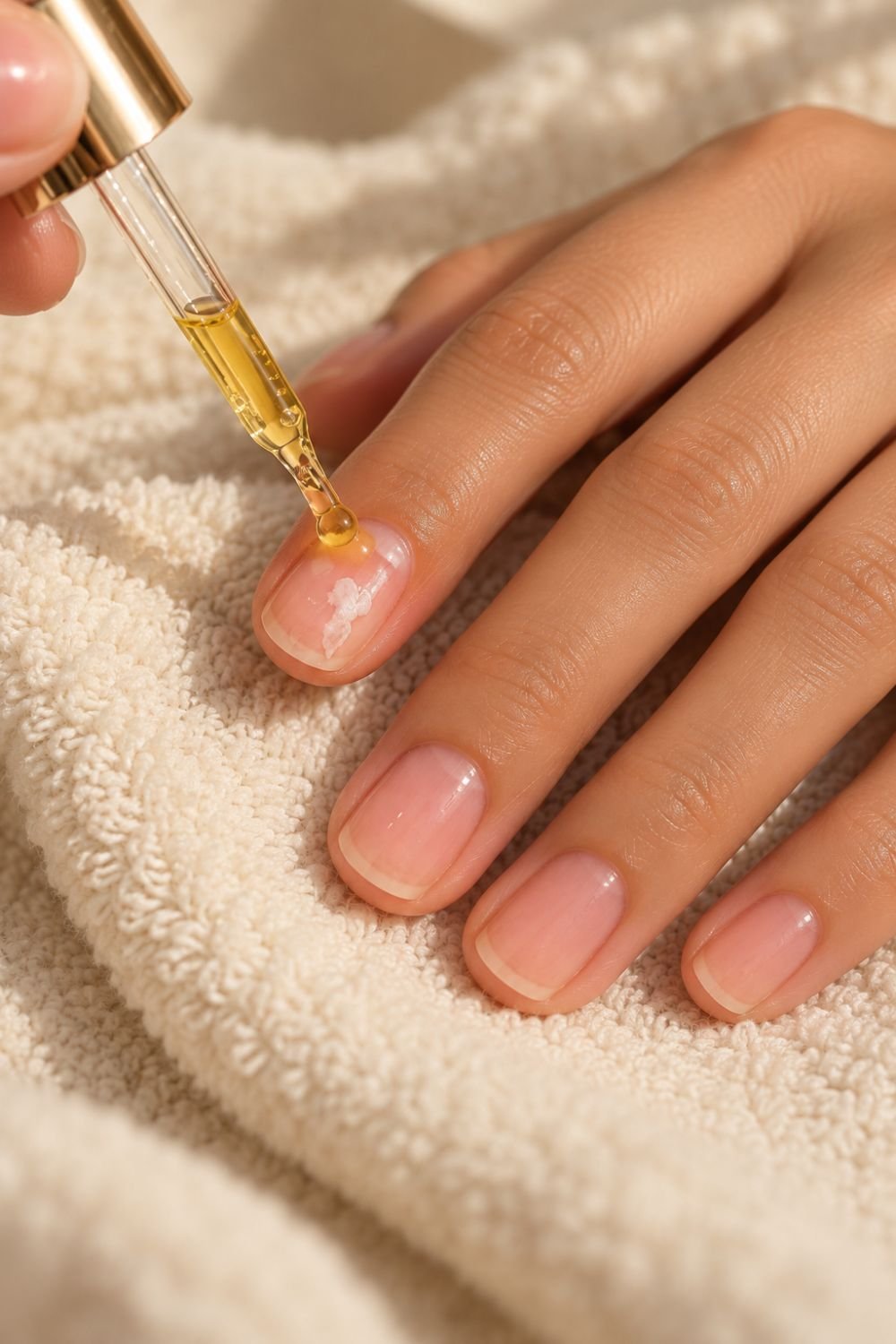
After soaking your fingertips, massage a generous amount of cuticle oil or olive oil over the areas where glue remains. Pay particular attention to any lifted edges and let the oil sit for several minutes.
Then try gently wiping the area with a soft cloth. Repeat if the adhesive is gradually loosening.
I like this method because it moisturizes the nails and surrounding skin at the same time. But there’s an important distinction: oil doesn’t chemically dissolve hardened cyanoacrylate glue the way acetone can.
For thick patches that are firmly attached, don’t expect oil alone to do the job.
4. Can Petroleum Jelly Remove Nail Glue?
Petroleum jelly is another home remedy you’ll come across, but I wouldn’t count on it to remove a thick layer of dried nail glue.
Like cuticle oil, it can help lubricate the area around already-loosened adhesive and keep the surrounding skin moisturized.
Apply a small amount over the affected area, massage gently, and wipe away anything that has already started lifting.
For glue that remains firmly bonded to your natural nail, acetone is generally more effective.
I find petroleum jelly especially useful before acetone removal, when you can apply it around your cuticles to help protect the surrounding skin from dryness.
5. Can You Buff Off Leftover Nail Glue?
Technically, a fine nail buffer can help smooth tiny traces of leftover glue, but this is the method I’d be most careful with.
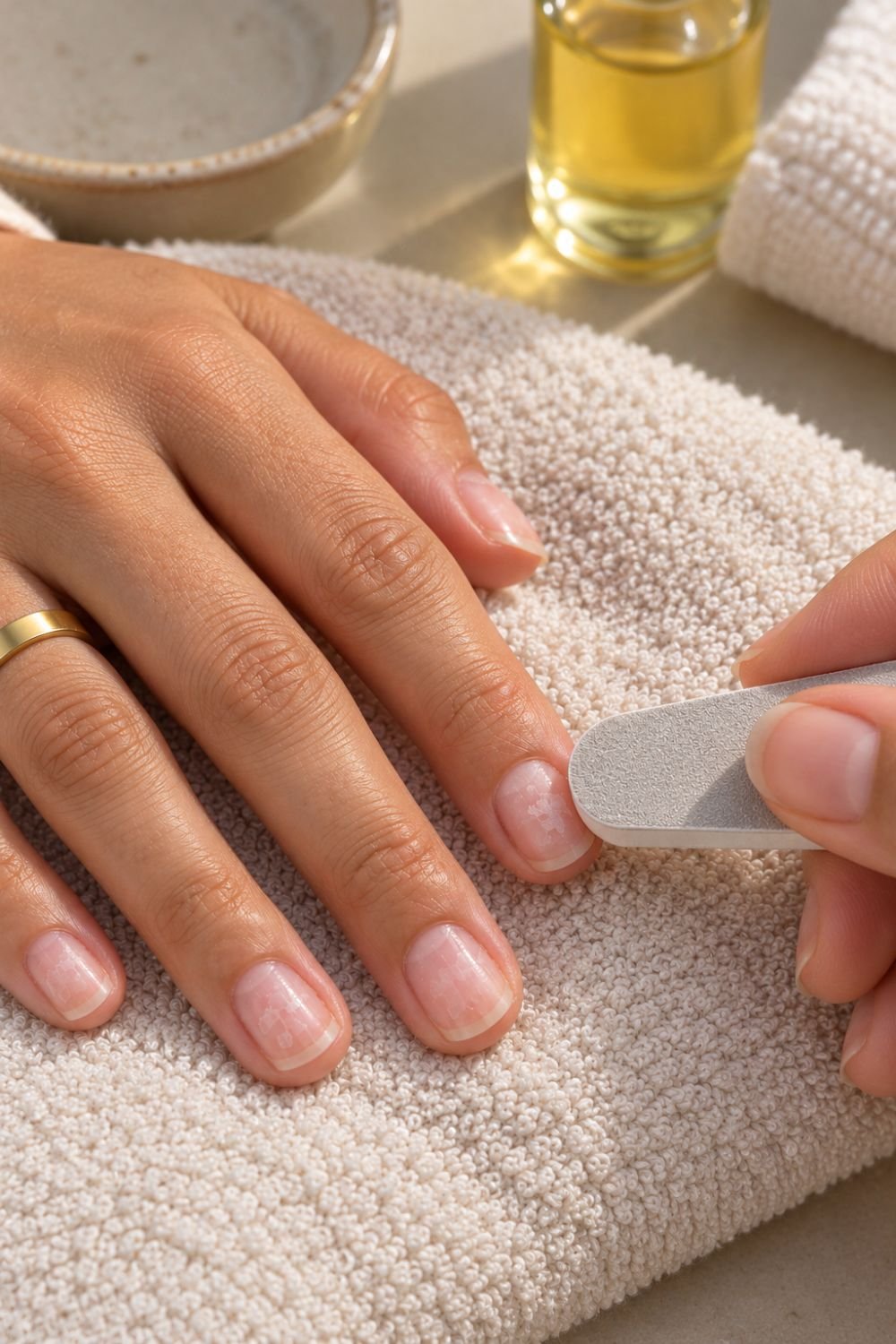
Here’s why: once you start buffing, it’s easy to remove part of your natural nail along with the adhesive, especially if the residue is thin.
If you’ve already softened and removed most of the glue, a very fine buffer may help smooth a small raised spot.
Use almost no pressure, avoid repeated passes, and stop if you notice any sensitivity or thinning.
I wouldn’t recommend filing off thick glue patches or trying to buff away every bit of cloudy residue. If there’s still a noticeable layer, return to the acetone method instead.
6. Does Acetone-Free Nail Polish Remover Work?
Acetone-free nail polish remover sounds like an appealing alternative, particularly if your nails already feel dry.
Unfortunately, most formulas aren’t especially effective at removing hardened nail glue.
Some acetone-free removers contain solvents that may help with certain adhesives, but results depend on the formula and the type of glue.
If you’ve tried holding an acetone-free remover pad against the residue and nothing is happening, don’t keep rubbing.
For fully cured nail glue, pure acetone is generally the more reliable option.
What NOT to Do When Removing Nail Glue
Removing leftover glue shouldn’t leave your nails looking worse than they did before. Here are a few things I’d avoid:
- Don’t pick or peel off dry glue. You can pull away layers of your natural nail along with it.
- Don’t scrape with metal tools. Even a small amount of pressure can damage the nail plate.
- Don’t aggressively file or buff. Repeated filing can leave your nails thin and sensitive.
- Don’t use boiling water or household cleaning solvents. They’re unnecessary and can irritate or injure your skin.
- Don’t keep going if your nails hurt. Stop if you notice pain, burning, or significant irritation.
One more safety tip: never use cotton or wool to wipe up fresh, liquid nail glue. Cyanoacrylate adhesives can react with these fibers and generate enough heat to cause burns. Acetone-soaked cotton wraps should only be used on glue that has fully hardened.
How to Care for Your Nails After Removing Glue
Once all that stubborn glue is gone, your nails might feel a little dry, especially if you’ve used acetone.
Wash your hands with mild soap, massage cuticle oil into your nails and surrounding skin, and finish with a moisturizing hand cream.
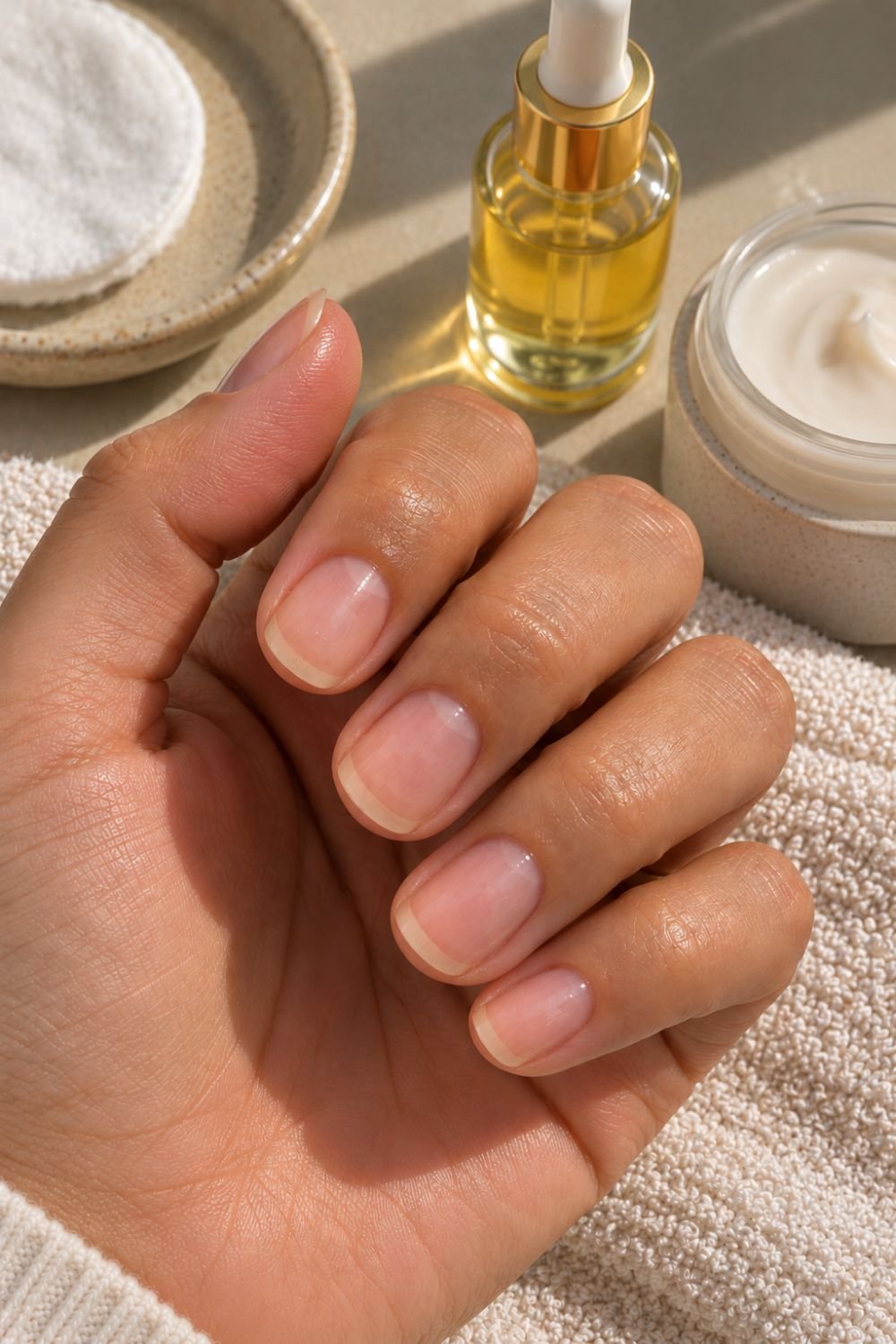
If you notice white patches, peeling, or rough areas on the nail surface, don’t immediately reach for a buffer. Some of that texture may be actual nail damage rather than leftover glue.
Give your nails time to recover, and avoid applying another set of press-ons if they’re visibly damaged or sensitive.
FAQs About Removing Nail Glue
What’s the fastest way to remove dried nail glue from natural nails?
For stubborn, fully hardened glue, 100% acetone is usually the fastest and most reliable option. Try acetone-soaked cotton wraps for 10–15 minutes, then gently wipe away the softened residue.
How do you get nail glue off without acetone?
Start with warm soapy water for 15–20 minutes, followed by a little cuticle oil or olive oil. This may help loosen thin or already-lifting residue, but it isn’t as reliable for thick, fully cured glue.
Why is there white residue on my nails after removing press-ons?
It could be dried nail glue, which sometimes looks cloudy or chalky. But white patches can also come from surface damage to the natural nail, especially if the press-ons were pulled off forcefully. If the area doesn’t soften with appropriate glue removal, don’t keep scraping or filing it.
Will leftover nail glue eventually come off on its own?
Small amounts can gradually wear away as your nails grow, but stubborn adhesive may take time. Avoid picking at it, even when it starts lifting around the edges.
The Takeaway
Leftover nail glue can be annoying, especially when all you want is to get your natural nails back to normal. For stubborn, hardened patches, acetone is usually your best option. Warm soapy water and oil are worth trying for lighter residue, but they won’t work equally well on every adhesive.
Whatever you choose, resist the urge to scrape or peel. Keeping your natural nails intact matters more than getting every last speck of glue off in one go.